

Solutions for the production of high-quality NSiC silicon carbide components
NSiC (nitride-bonded silicon carbide) is a porous ceramic material that combines the excellent thermal shock resistance of silicon carbide with the added strength and toughness of a silicon nitride matrix. It offers a porosity of 10–15% and an open porosi
Enhanced performance with SIKA® Unikiln powders for nitride-bonded silicon carbide
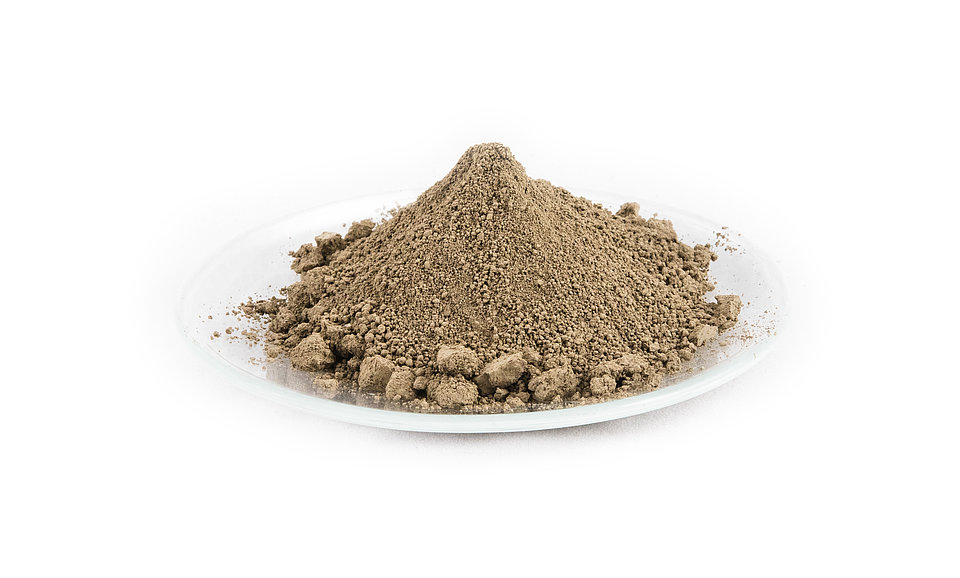
Nitride-bonded silicon carbide (NSiC) can be efficiently produced using SIKA® Unikiln FCP05, FCP07, and 100F powders. These chemically treated, high-performance silicon carbide materials are specially engineered to optimize the production of nitride-bonded ceramics.
SIKA® Unikiln FCP07 provides excellent slip properties, and when combined with the 100F product, it achieves maximum green density and superior oxidation resistance. These features make FCP07 and 100F highly suitable for demanding applications, including kiln furniture, immersion tubes, and precision industrial components, where strength and thermal stability are critical.
Optimizing powder blends for superior NSiC product performance
Our experts specialize in identifying the optimal combination of fine and coarse powders to achieve precise targets for nitride-bonded silicon carbide (NSiC) components. These targets include critical characteristics such as density, flowability, thermal
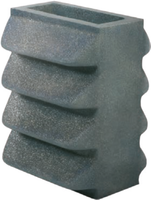
With years of expertise and in-depth knowledge, we develop powder blends that meet these demanding requirements while balancing practical and cost-effective solutions. The optimization process considers factors such as powder availability, particle size distribution, and production economics. By leveraging advanced techniques to fine-tune the mix of coarse and fine powders, we help manufacturers produce NSiC components with improved consistency, superior quality, and enhanced performance for high-temperature and high-stress applications.
Production of NSiC components
Nitride-bonded silicon carbide (NSiC) is a ceramic material that combines the thermal shock resistance of silicon carbide with the added strength and toughness of a silicon nitride matrix. NSiC can withstand temperatures up to 1500°C in air and features a controlled porosity of 10–15%, with open porosity below 1%. This balance between porosity and strength makes NSiC an excellent choice for high-temperature applications such as kiln furniture, immersion tubes, and components for measurement technology. NSiC is particularly valued for its high flexural strength, excellent oxidation resistance, and low thermal expansion, which ensure reliable performance in demanding industrial environments.
The production of nitride-bonded silicon carbide (NSiC) components involves a carefully engineered process using a mix of fine and coarse silicon carbide powders. Coarse powders provide the structural framework, creating the desired bulk porosity, while fine powders fill the spaces between the coarse particles to enhance bonding and densification. During manufacturing, the green body is shaped using techniques such as slip casting or extrusion and then subjected to a controlled nitriding process at temperatures between 1350°C and 1450°C in a nitrogen-rich atmosphere. This step facilitates the reaction bonding process, where silicon carbide grains are joined by a silicon nitride matrix, resulting in a highly durable and thermally stable material.
Key features of NSiC components

Thermal shock resistance
NSiC’s structure provides exceptional stability during rapid temperature changes, reducing the risk of cracking or failure in extreme environments.

High load-bearing capacity
With superior mechanical strength, NSiC components are capable of withstanding heavy loads, making them ideal for applications such as kiln furniture and industrial processing tools.

High-temperature tolerance
NSiC maintains its strength and performance at temperatures up to 1500°C, making it suitable for a variety of high-temperature applications.

Controlled porosity
With a porosity of 10 to 15% and open porosity below 1%, NSiC offers a balance of thermal shock resistance and mechanical durability.

Dimensional stability
NSiC is produced through a non-shrinking reaction bonding process, ensuring components retain their shape and precision during and after manufacturing.

Learn about Kymera's silicon carbide products for technical ceramics