

Solutions for the production of high-quality SiSiC (reaction-bonded silicon carbide) components
Reaction‐bonded silicon carbide (SiSiC) is a dense ceramic material that combines the wear resistance and strength of silicon carbide with the infiltration bonding provided by molten silicon. Through a controlled process, carbon in a porous SiC body react
Enhanced performance with SIKA® GC powders for reaction‐bonded silicon carbide
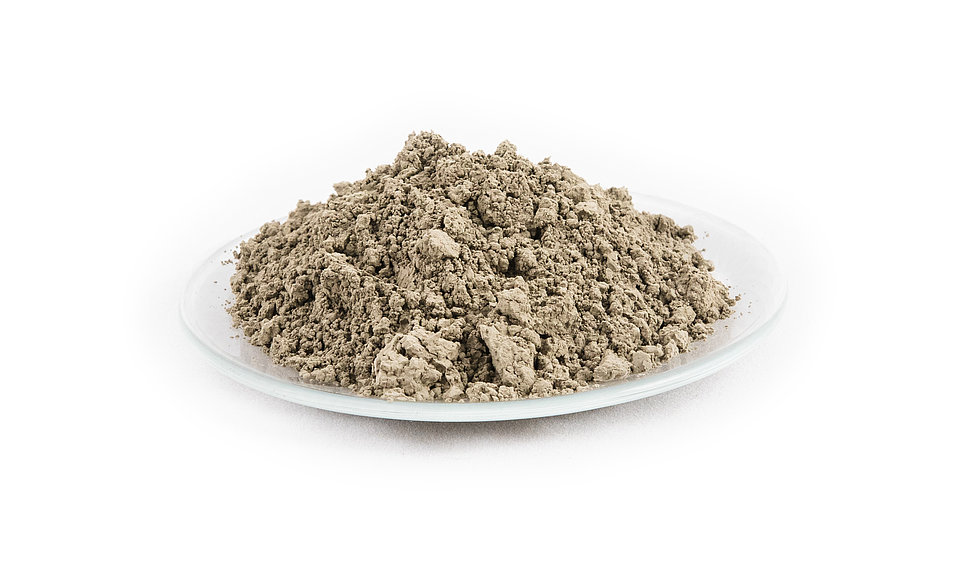
Reaction‐bonded silicon carbide (SiSiC) can be efficiently produced using SIKA® TECH GC13 and GC18 powders. These high‐purity, engineered silicon carbide materials have been optimized to improve infiltration behavior and reduce impurities during reaction bonding. By selecting the right combination of coarse and fine powder fractions, manufacturers can achieve:
- Near‐complete densification with minimal residual porosity
- High mechanical strength under thermal and mechanical load
- Excellent wear resistance and corrosion stability
These attributes ensure that SiSiC components made with SIKA® GC powders deliver reliable performance in demanding applications such as kiln furniture, mechanical seals, burner nozzles, and heat exchangers.
Optimizing powder blends for superior SiSiC product performance
Drawing on in‐depth knowledge of silicon carbide processing, Kymera's engineering team can recommend powder blends that deliver high product consistency and enhanced performance—while also considering cost‐effectiveness and production feasibility.
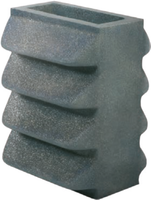
Our experts work closely with customers to identify the optimal balance between coarse and fine powders for reaction‐bonded SiSiC. By fine‐tuning powder size distributions and ensuring excellent chemical purity, we help optimize critical characteristics such as:
- Flowability
- Green density
- Thermal stability
- Mechanical integrity
Production of SiSiC components
The manufacturing process for SiSiC begins by mixing silicon carbide powder, powdered carbon, and a suitable binder or plasticizer. The mixture is then formed into a green body using methods such as extrusion, pressing, or slip casting. After binder burnout, the porous structure is infiltrated with molten silicon (typically at 1420–1450 °C in a vacuum or inert atmosphere). The carbon reacts with silicon to form additional SiC, yielding a highly dense, siliconized silicon carbide microstructure.
Due to the residual silicon present, SiSiC exhibits excellent mechanical properties below ~1380 °C but is not recommended above the melting point of silicon (~1414 °C). Within its service temperature range, SiSiC remains dimensionally stable and highly resistant to thermal shock, oxidation, and abrasion.
Key features of SiSiC components

Thermal shock resistance
Rapid temperature fluctuations are well‐tolerated, thanks to controlled expansion and strong bonding.

High mechanical strength
The reaction‐bonded matrix of SiC and in situ‐formed SiC supports heavy loads and resists chipping or cracking.

High-temperature tolerance
SiSiC offers reliable performance below the melting point of residual silicon (up to ~1380 °C), making it suitable for a broad range of industrial processes.

Near‐full density
Molten silicon infiltration produces a tight, well‐bonded microstructure with minimal open porosity.

Excellent wear and abrasion resistance
SiSiC’s hardness and toughness protect surfaces from corrosive and erosive conditions.

Learn about Kymera's silicon carbide products for technical ceramics
To discover how Fiven’s SIKA® TECH GC13 and GC18 powders can help you produce top‐tier SiSiC components, or to request additional product details, please reach out to our dedicated team.