

SIKA® powders for production of recrystallized silicon carbide (RSiC) components
Specialized powders to achieve non-shrinking, high-porosity RSiC components with exceptional thermal shock resistance and high-temperature durability.
Maximum green density and oxidation resistance with SIKA® Unikiln for recrystallized silicon carbide
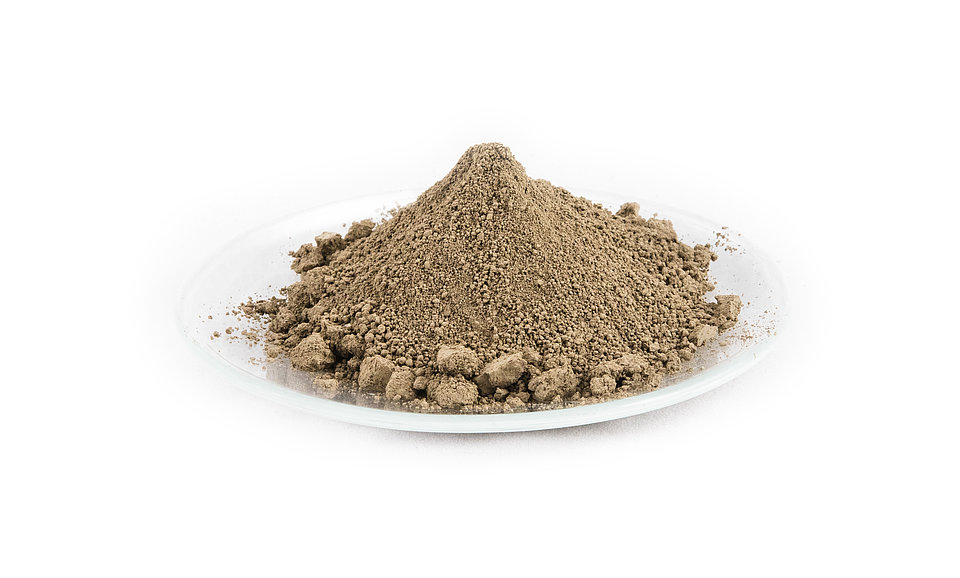
Recrystallized silicon carbide (RSiC) can be efficiently produced using SIKA® Unikiln FCP05, FCP07, and 100F products. These chemically treated, green silicon carbide materials are designed to optimize the creation of re-crystallized ceramic components.
SIKA® Unikiln FCP07 offers unique slip properties, and when combined with the 100F product, it enables maximum green density and high oxidation resistance. These attributes make FCP07 and 100F well-suited for demanding applications such as kiln furniture, semiconductor components, and process materials.
Optimizing powder blends for superior product performance
Our experts can help identify the optimal blend of fine and coarse powders to achieve specific targets for end product characteristics such as density, flowability, and tensile strength.
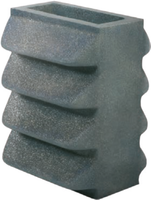
Drawing on years of experience and accumulated know-how, we determine the ideal combination that best satisfies all these objectives simultaneously. The optimization process takes into account various constraints, including the availability of different powder types and their associated costs, to find a solution that is not only optimal but also practical and cost-effective. By leveraging our capabilities to optimize the combination of fine and coarse powders, manufacturers can achieve a more consistent, high-quality end product with enhanced characteristics.
Production of RSiC components
Recrystallized silicon carbide (RSiC) is a pure silicon carbide material known for its exceptional thermal shock resistance and ability to withstand temperatures up to 1600-1650°C. Manufactured through a non-shrinking process, RSiC allows for the production of large components that are commonly used in furnace linings, heating elements, and kiln furniture. While RSiC has an open porosity of 11 to 15%, resulting in lower strength compared to dense silicon carbide ceramics, it offers excellent load-bearing capacity and is ideal for high-temperature applications.
The production of recrystallized silicon carbide (RSiC) components involves a careful mix of fine and coarse silicon carbide powders. Coarse powders form the bulk structure, ensuring dimensional stability and maintaining the material's high porosity, which is essential for its thermal shock resistance. Fine powders fill the gaps between the coarse particles, promoting better sintering and bonding during the high-temperature recrystallization process. This combination allows the RSiC components to retain their shape without significant shrinkage while providing excellent load-bearing capacity in high-temperature environments, despite their lower strength compared to denser silicon carbide ceramics.
Key features of RSiC components

Thermal shock resistance
RSiC's structure enables it to withstand rapid temperature changes without cracking or breaking.

High load-bearing capacity
Ideal for kiln furniture, RSiC components are capable of supporting heavy loads at high temperatures.

High-temperature tolerance
RSiC can endure extreme temperatures, ranging from 1600°C to 1650°C, making it suitable for a wide range of high-temperature applications.

Open porosity
With an open porosity of 11 to 15%, RSiC has slightly lower strength compared to dense silicon carbide ceramics.

Non-shrinking production
Maintains dimensional stability during the manufacturing process, allowing for large component production.

Learn about Fiven's silicon carbide products for technical ceramics